The 8 Auspicious Buddhist Symbols
Today in our article we would like to tell you about the 8 auspicious Buddhist symbols… Do you know about them, about their meanings and interpretations? Let us examine each of them.
It is believed that they were presented to Buddha Shakyamuni after he attained Enlightenment. They are also called the symbols of good fortune. So, let us begin:
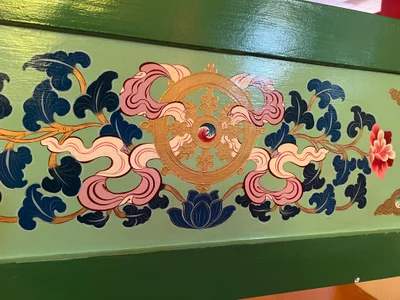
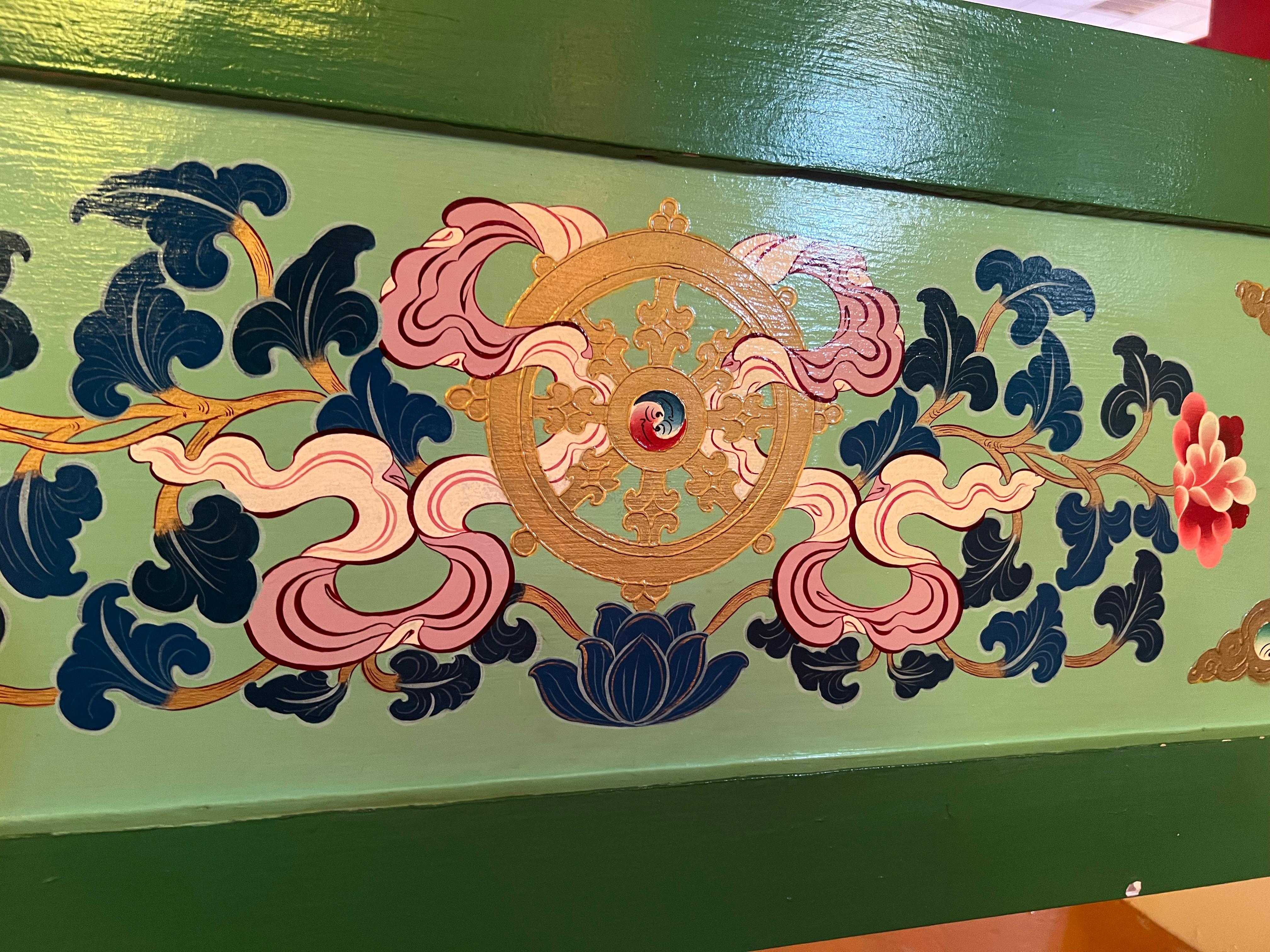
✅The Wheel of Dharma. One of the oldest and most important symbols of Buddhism, it symbolizes the teaching of the Buddha. In most cases the Wheel of Dharma consists of eight spokes, symbolizing the Eightfold Path, and three spirals at its center, which represent the Three Jewels: the Buddha, the Dharma and the Sangha.
✅The Lotus. A classic symbol of Buddhism. It grows in ponds, having to make its way through murky water in order to bloom and eventually reach the surface. Even though the roots of the lotus lie in the murkiest waters, it produces the most beautiful flowers. This is like a sign of spiritual development and growth, embodying the purity of body, speech and mind.
✅The Two Golden Fish. This is a symbol of deliverance from suffering and the attainment of spiritual liberation. Just as a fish swims through water knowing no obstacles, so too a person who has attained Enlightenment knows no boundaries or hindrances.
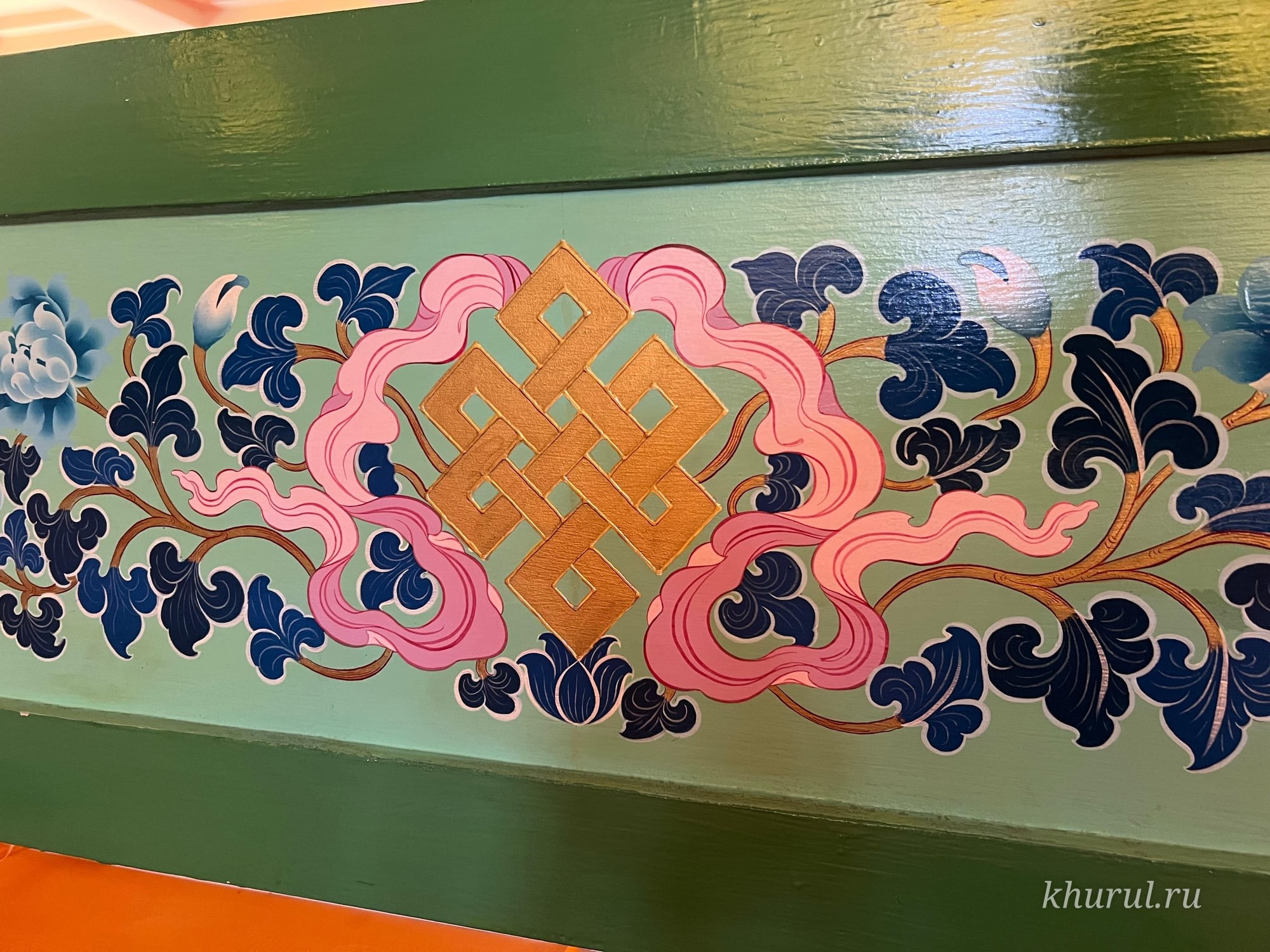
✅ The Endless Knot, which has neither beginning nor end. It symbolizes Samsara, the cycle of births and deaths. The “Endless Knot” teaches about interconnectedness, showing that nothing is separate from everything else, that everything exists in symbiosis. One account says that the endless knot was given to the Buddha by the god Ganesha as an ornament for his heart. It symbolizes the changing nature of time, impermanence and the interconnection of all things, as well as the unity of compassion and wisdom.
✅The Treasure Vase, also known as the “vase of inexhaustible treasures.” It was believed to possess the ability to bring good health, happiness, wealth and abundance, and that no matter how much was taken from it, it would always remain full. That is, no matter how much compassion and attention we give to others, the teaching of the Buddha will remain in abundance and fill our hearts and minds.
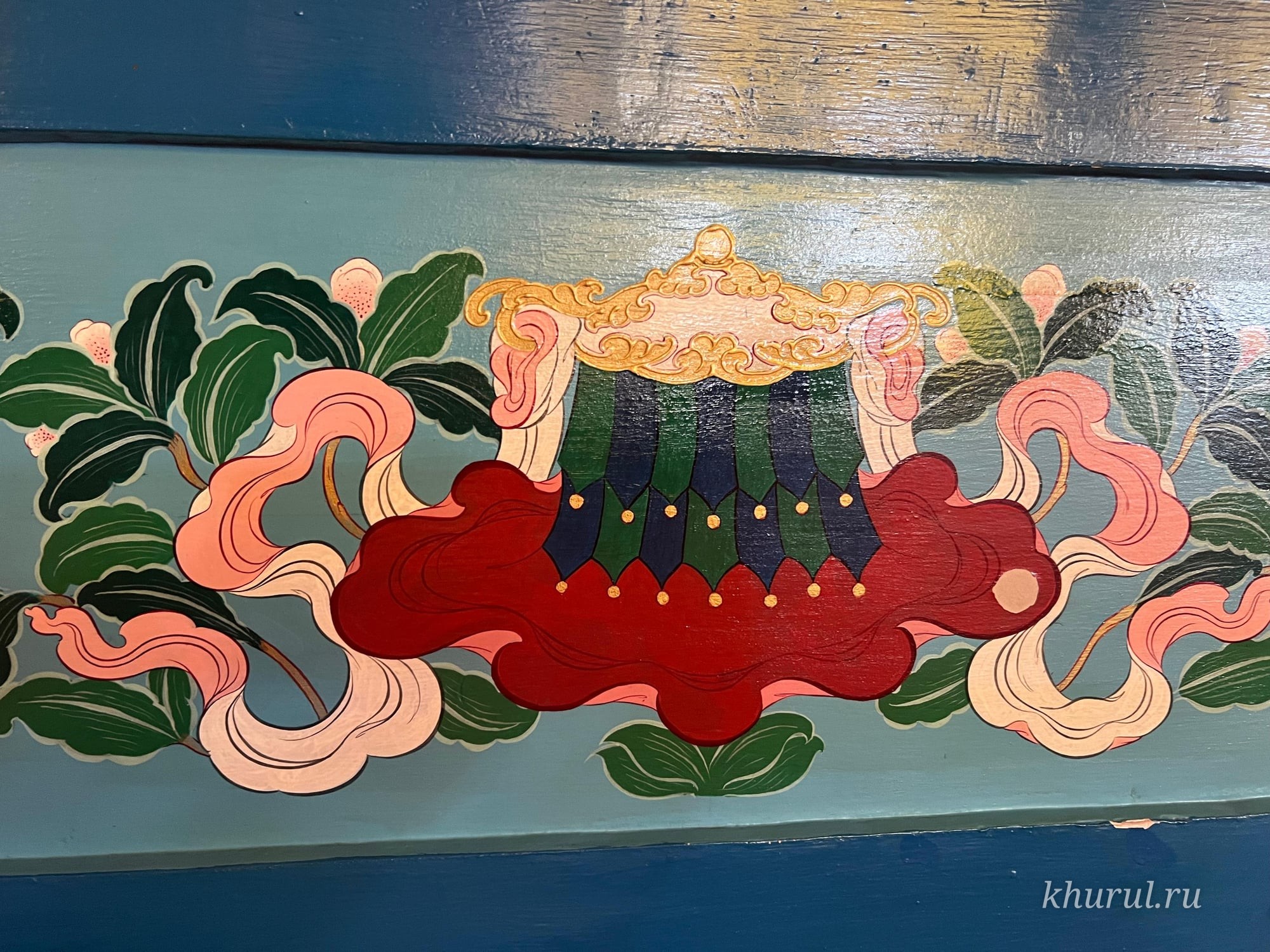
✅The Auspicious Parasol, which was offered to the Buddha, symbolizes his ability to protect all beings from delusions and fears. The dome of the parasol symbolizes wisdom, and the hanging skirt — compassion. Together they represent the union of these two elements — wisdom and compassion.
✅The White Conch. It symbolizes the spreading in all directions of the teaching of the Buddha. The deep and melodious sound of the conch awakens living beings from ignorance, and proclaims to all that lives the possibility of attaining Enlightenment.
✅The Victory Banner. A powerful symbol of victory over suffering, death and ignorance, over all inner and outer limitations, over illusions such as anger, fear, desire, greed and pride.
And in closing, we would like to note that simply surrounding oneself with sacred symbols will not bring good fortune and happiness. Here it is important to understand that all of this is possible for those who practice and work with the mind, while the symbols remind us of the Dharma and strengthen us on the path of the Teaching.