A Substantive Conversation. A Meeting on Preserving the Kalmyk Language Was Held at the Government of the Republic of Kalmykia
Today is International Mother Language Day — a day reminding everyone that language is the foundation, the key to preserving the cultural identity of any people.
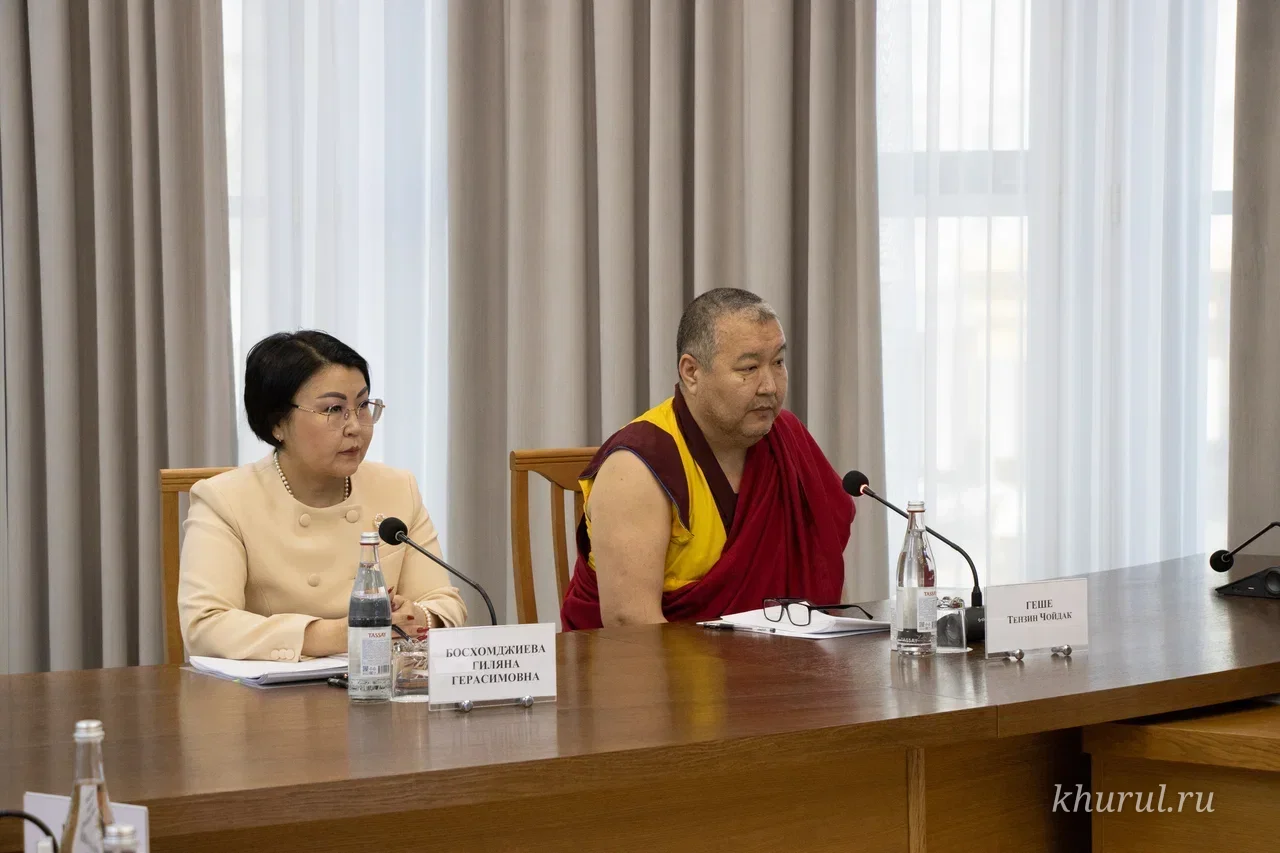
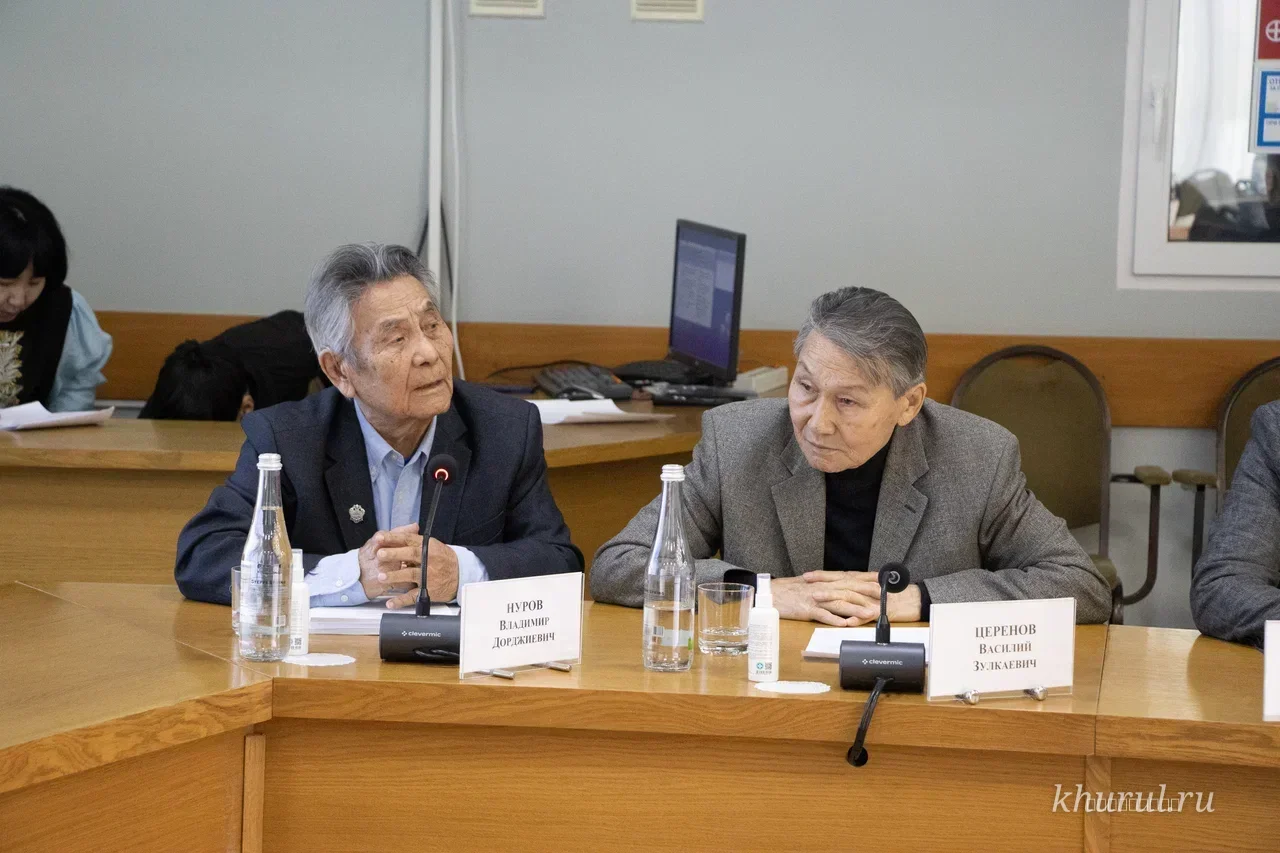
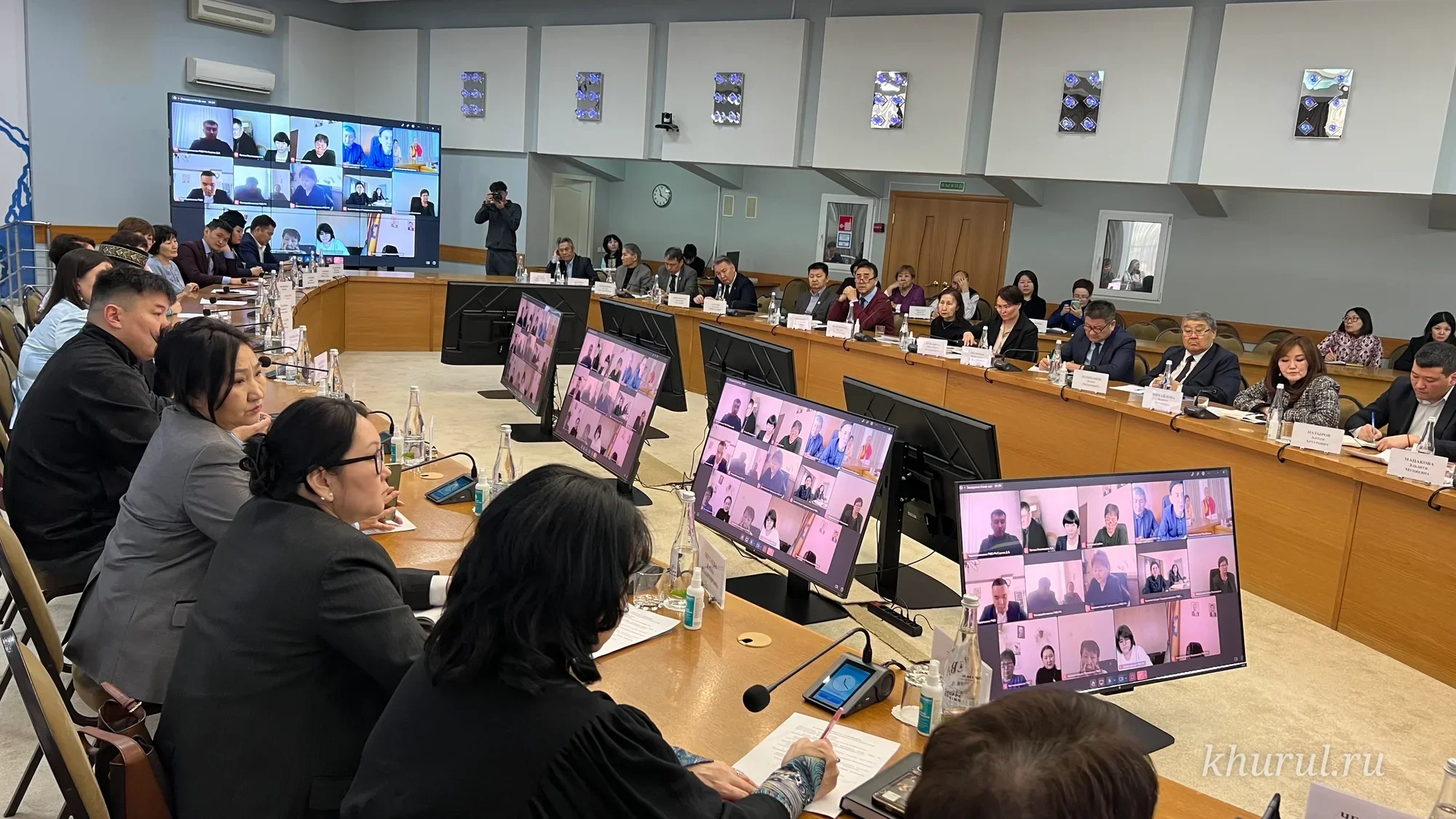
The day before, a very significant meeting was held in the conference hall of the Government of the Republic of Kalmykia, chaired by the Prime Minister of Kalmykia Gilyana Boskhomdzhieva, where pressing questions of preserving and popularizing the Kalmyk language were raised. The Shajin Lama of Kalmykia, Geshe Tenzin Choydak, took an active part in the discussion. Gathered around one table were those who care about their native language and who are directly involved in its development: representatives of the pedagogical and scientific communities, of the relevant Ministry of Education, respected writers, and heads of mass media outlets.
In his speech, the Shajin Lama of Kalmykia noted that preserving one's native speech begins precisely with the family, the school, and everyday communication: “The transmission of knowledge between generations is especially important here. Yes, in many families there are already few speakers of the native tongue, but there are all kinds of courses, digital media, and there are those from whom one can absorb all the beauty of the Kalmyk language — the main thing is a person's desire. Today, communicating with children, I also realize that they know the history of the Kalmyk people poorly and are little aware of the dates and events that our people have gone through. This is very sad. Our native language and the history of our people are of paramount value, and it is directly connected with how we will identify ourselves.”
The lively and constructive dialogue lasted almost 4.5 hours. Each participant shared their experience, made suggestions, and pointed out existing problems — and there are, in fact, very many of them. Among them are insufficient motivation among the younger generation to study their native language, and a declining interest in poetry, folklore, and traditions.
As a solution, it was proposed to create national groups in kindergartens in all districts of the republic. Unfortunately, today the region has only three national kindergartens and four national gymnasiums. Also, starting this September, there are plans to introduce modern digital technologies into the educational process, which will increase children's interest.
By September 1 of this year, the teams of scholars from Kalmyk State University and the Kalmyk Scientific Center of the Russian Academy of Sciences, along with the methodologists of KRIPKRO, will undergo review at the Ministry of Education of the Russian Federation — and the republic will receive sets of new “Halmg keln” textbooks for grades 1–9 with workbooks.
One of the important points to which special attention was paid was staffing difficulties. As the Chairwoman of the Government of the Republic of Kalmykia, Gilyana Boskhomdzhieva, noted, it is important to support young teachers who come to teach the Kalmyk language: “Every year about 70 teachers of the native language graduate from the Kalmyk university, but the task is to employ them and fill the vacancies. One of the measures to retain personnel is targeted training in in-demand specialties, which should be initiated not only by district administrations but also by the administration of Elista, where schools also have a shortage of Kalmyk language teachers. This is a task for all heads of educational institutions and government bodies.”
During the meeting, the shortage of specialists proficient in the native language in the media sphere was also discussed. The low level of the language's use in the public space was noted: very little content is produced in the native language, and this makes it “invisible” to young people.
The meeting on preserving and popularizing the Kalmyk language went by in one breath: passionately, sincerely, genuinely. But in every word, in every discussion, hope could be felt — the hope that the Kalmyk word will not fall into oblivion, but will resound in the voices of children, in songs, and in everyday conversations.