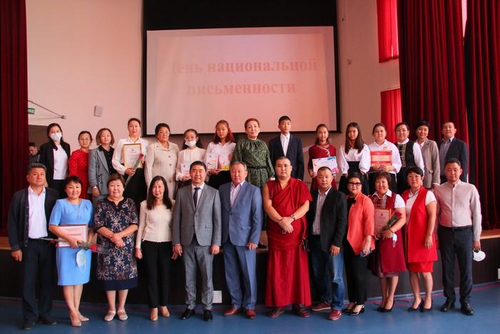
Day of Kalmyk National Writing
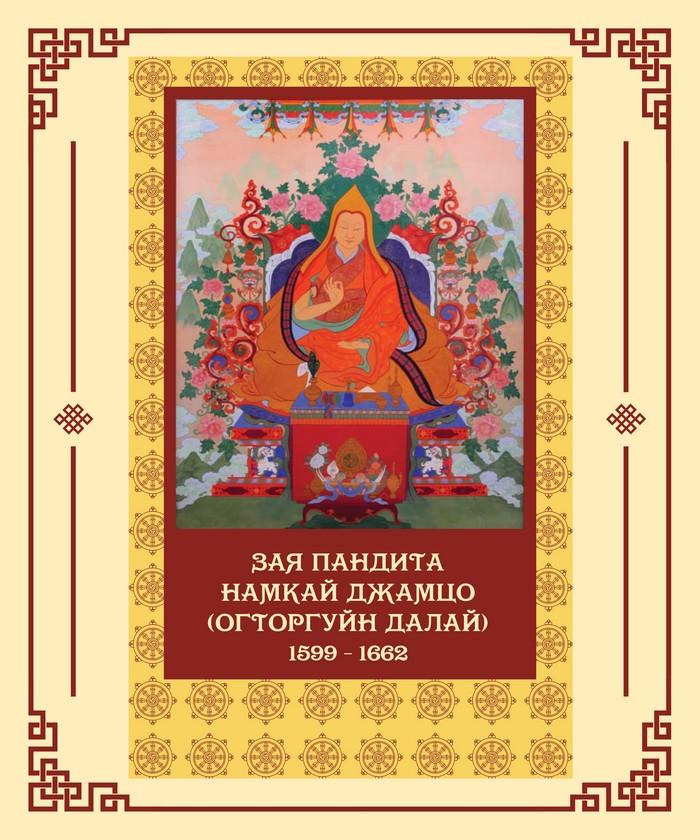
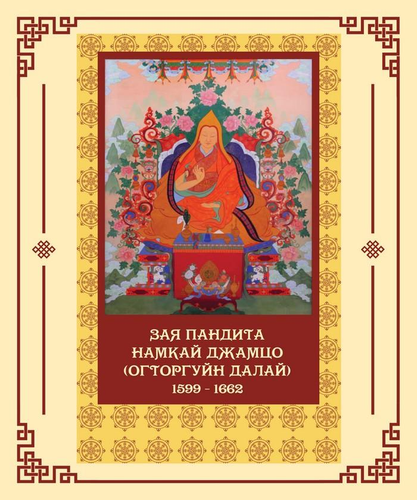
In 1648, the Oirat enlightener and Buddhist monk Zaya Pandita Namkai Gyatso reformed the common Mongolian alphabet, thanks to which the Oirats acquired a new writing system that came to be called “todrkha üzg” (clear letters). Zaya Pandita and his disciples translated more than two hundred Buddhist texts from Tibetan into the Oirat (Kalmyk) language. Thanks to these translations, the Oirats became true followers of the Teaching of the Buddha. Zaya Pandita translated into his native language the principal works of Mahayana Buddhism—sutras, jatakas, sadhanas, dharanis—as well as various ritual texts. Books translated by Zaya Pandita are kept in many libraries and archives of the world. The Oirat writing system was the official alphabet in the Dzungar and Kalmyk khanates. Official correspondence with the tsarist administration and with foreign countries was conducted in it. In 1924, “todo bichig” was abolished in Kalmykia, but the Buddhist clergy and the national intelligentsia continued to use it in private correspondence, as well as for religious purposes. Today Kalmyk national writing is taught at Kalmyk State University, as well as as an elective in the secondary schools of the republic. Every year enthusiastic teachers bring children from all over Kalmykia to take part in the school olympiad in the subject “todo bichig”. Circles and classes for studying national writing were organized at the Central Khurul of Kalmykia. With the support of the khurul, books in the native language are published, including the works of Kalmyk monks of the past who wrote their works in the Oirat script. We have no right to consign to oblivion what has been given to us by our ancestors, including Kalmyk national writing. B.V. Menyaev, head of the “History of Buddhism of Kalmykia” museum of the Central Khurul of Kalmykia “The Golden Abode of Buddha Shakyamuni”, staff member of the Research Center of Kalmyk State University named after B.B. Gorodovikov.