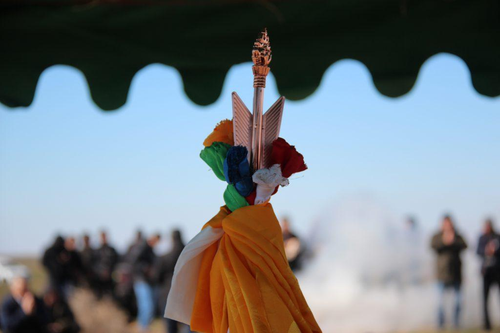
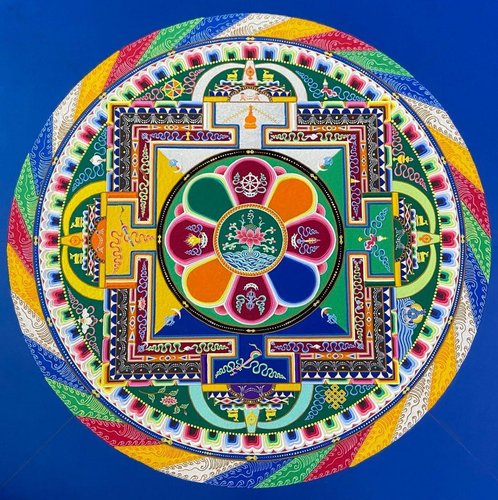
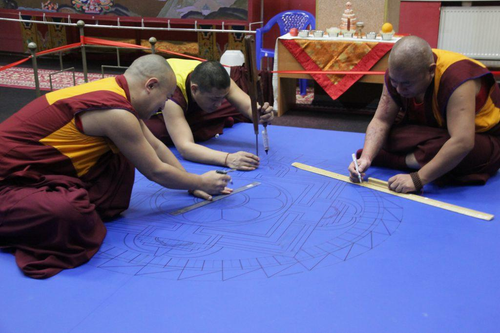
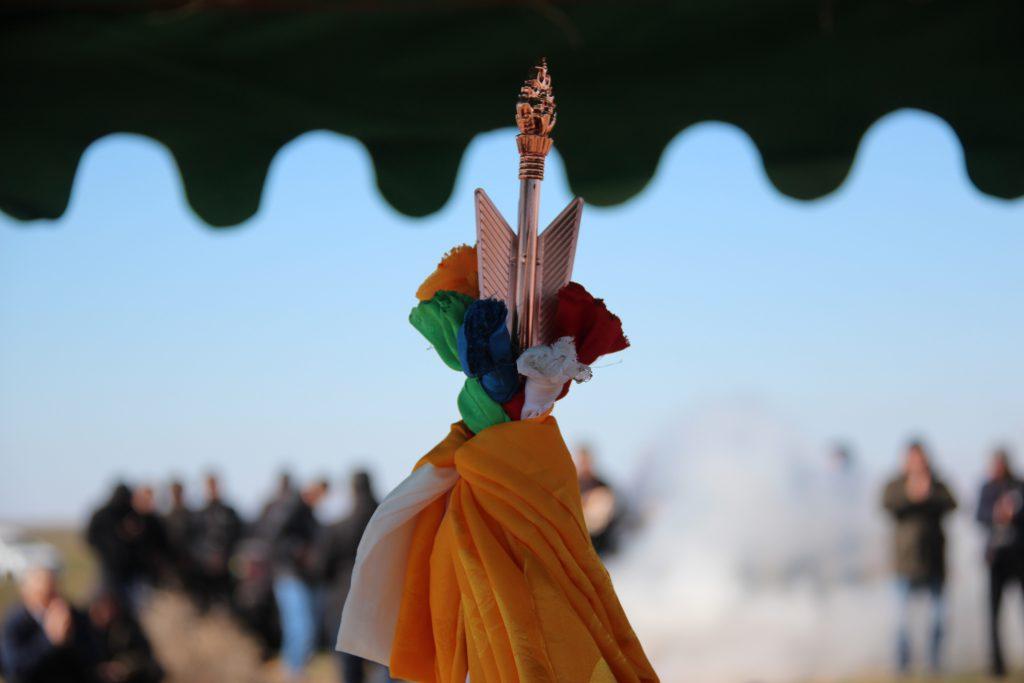
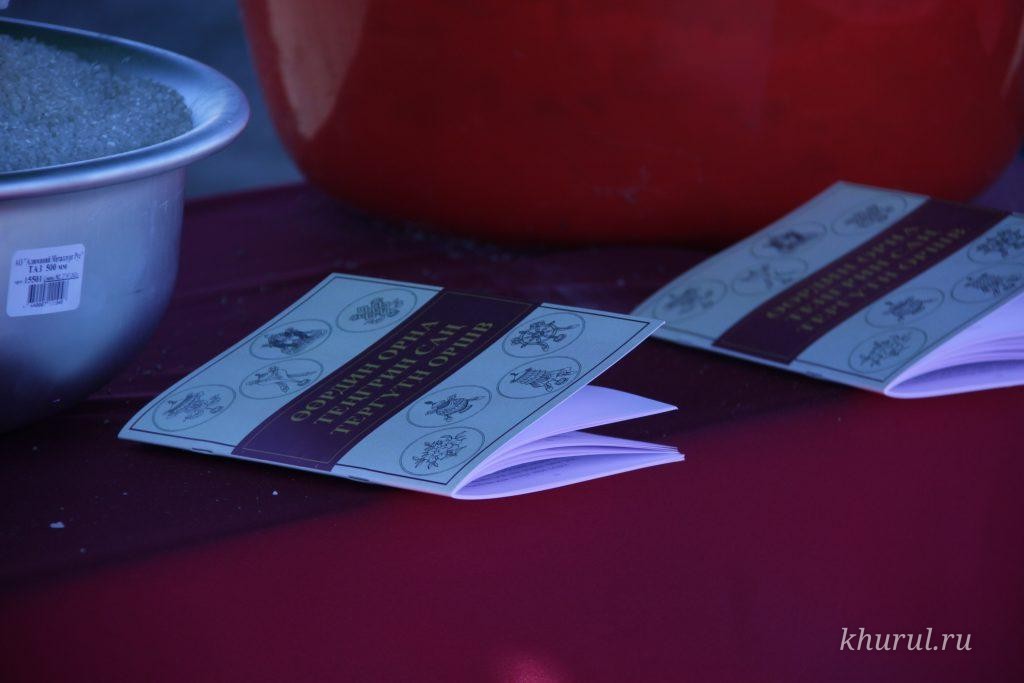
On March 7, in the Lagan district, at the cremation site of Khan Donduk-Dashi, monks of the Central Khurul of Kalmykia led by the Shajin Lama performed the ritual “Öördin orna tengrin sang” in the Kalmyk language.
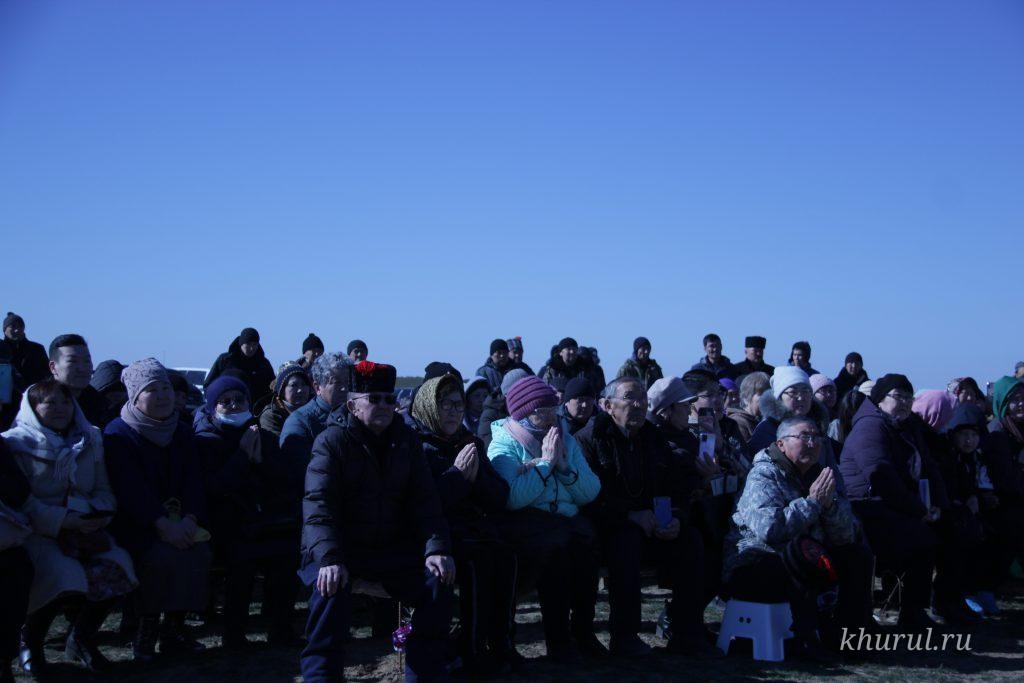
The Chinderta mound is the cremation site of the Kalmyk Khan Donduk-Dashi, a sacred and holy place of Kalmykia, shrouded in legends and lore, a place with a rich history. “A place of power,” “a place possessing healing power,” “a place where the Buddhas abide” — this is what the people call this place.
Khan Donduk-Dashi is an outstanding figure in the history of our people. For 20 years he ruled the Kalmyk Khanate. All historians note that during the period of his rule the Khanate achieved stability. This is what Donduk-Dashi strove for. In 1741 he was appointed viceroy, and only 16 years later he was appointed khan by a special decree of Elizabeth Petrovna.
Khan Donduk-Dashi, understanding that more than 100 years had passed since the adoption of the Great Code, issued laws and decrees (togtals) that became a supplement to the Code and at the same time helped him to rule. In these togtals the lines about the need to spread literacy among the Kalmyk people are of interest. All male children were required to study until the age of 15, no matter what family they came from — poor or rich. The togtals together with the Code remained in force right up until 1917. It was precisely this document that regulated the legal rights and obligations of the Kalmyks.
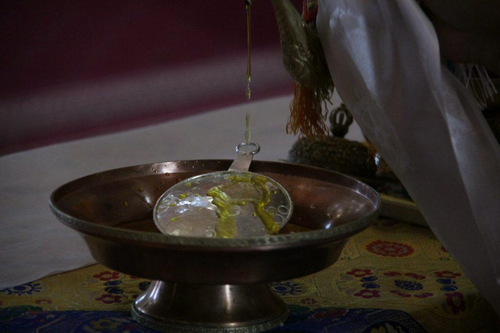
During the ritual “Öördin orna tengrin sang” special herbs, incense, various substances, 3 kinds of white food and 3 kinds of sweet food were offered through the fire to the Three Jewels — the Buddha, the Dharma, the Sangha, to all the Buddhas and Bodhisattvas, to the dakas and dakinis, to the deities and protectors of the Oirat lands, to the various classes of living beings. The ritual was performed to accumulate merit (buyn), to purify from negative energies, to bring harmony into the life of the individual and society, to attract prosperity, health, good fortune, to increase vital forces and to protect from the harmful influences of spirits. A ritual of invoking and praising Mahakala, Okon Tengr (Palden Lhamo), Erlik Nominkhan (Kalarupa) and Bain Namsr (Vaishravana) was also performed, during which serjim was offered to the protectors.