Yonten Gelung takes part in meeting on the development of Buddhist education in Russia
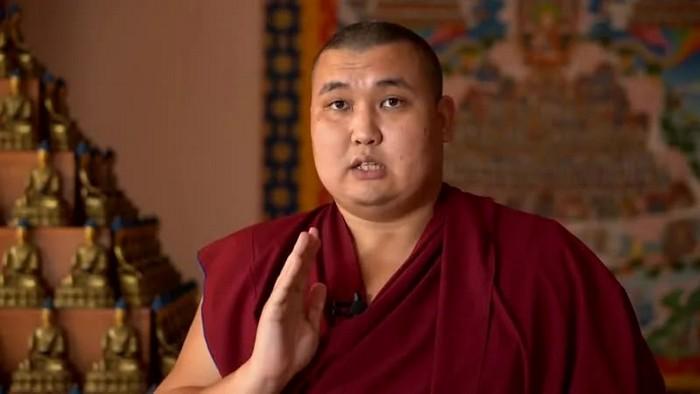
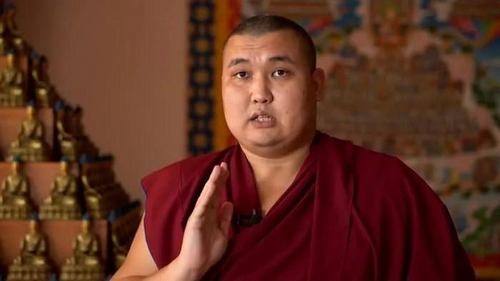
On August 30, a meeting on the development of Buddhist education in Russia took place at the Ministry of Higher Education and Science of the Russian Federation. The meeting was chaired by Denis Ashirov, director of the Department of State Youth Policy and Educational Activities, and it was co-moderated by Alexey Maslov, acting director of the Institute of Far Eastern Studies of the Russian Academy of Sciences. The event was attended by staff of the departments and divisions of the Ministry of Science and Higher Education of Russia, representatives of the Administration of the President of the Russian Federation, universities of Moscow and of regions that traditionally practice Buddhism, as well as representatives of Buddhist organizations of Russia: the Kamby Lama of Tuva Gelek Natsyk-Dorzhu, the rector of the “Dashi Choykhorlin” Buddhist University named after D.D. Zayaev Geshe Dymbryl, the senior administrator of the Central Khurul of Kalmykia and member of the Public Chamber of the Russian Federation Yonten Gelung (S.V. Kirishov), the abbot of the “Amyr Sanaa” local religious organization of the Republic of Altai Aram Kypchakov, and representatives of the Aginsky and Saint Petersburg datsans. The participants of the meeting discussed the development of bachelor’s, master’s and postgraduate educational programs in the field of “Buddhist philosophy” and the inclusion of a bachelor’s program in the higher educational institutions of Kalmykia, Buryatia and Tuva starting in 2022. The meeting also addressed the development of a Federal State Educational Standard in the field of “Buddhist philosophy”. A proposal to develop a separate educational standard in the field of “Buddhist philosophy” was made by the senior administrator of the Central Khurul of Kalmykia and member of the Public Chamber of the Russian Federation Yonten Gelung (S.V. Kirishov). In his opinion, if Buddhist philosophy were included in the existing standard, the time allotted for its study would not be sufficient. “In traditional Buddhist universities and institutes it takes more than 10 years to study Buddhist philosophy, whereas the existing standards add a large number of disciplines that are mandatory to study. As a result, it will be impossible to allocate the required number of hours to the main subject,” the senior administrator noted. “If we are talking about the academic study of Buddhism within religious studies, then a bachelor’s and master’s degree will be quite sufficient, but if we are talking about Buddhism as a science, then of course much more time is required than is prescribed in modern standards,” Yonten Gelung (S.V. Kirishov) added. The senior administrator of the Central Khurul of Kalmykia noted the attention paid by the federal authorities to resolving this issue: “We are very glad of this and are ready to take the most active part in organizing higher education in this field. It is gratifying that positive developments on this issue have been initiated by the state.” In conclusion, the participants of the meeting summed up the results of the completed additional education course “Buddhism in Russia”.